

Journal→Cost of Interior Design in Upstate New York (2026)

Photo by Harry Gillen on Unsplash
Cost of Interior Design in Upstate New York (2026)
By Savannah Dodge · July 31, 2026 · 13 min read
Interior design in Upstate New York runs from an hourly rate for a single consulting visit to five figures in design fees for a full-service residential project, sometimes meaningfully more on a full home or a from-the-studs build. At Curio, Full Service, Procurement and Spec Book are all custom-scoped, with the design fee set in a written proposal once we understand the home. The number that fits you depends on the specificity of your home, not on a price list.
This is how pricing actually works — in the spirit of our discovery calls.
Why Upstate pricing is its own conversation
Upstate design does not behave like Manhattan design, and it does not behave like the national averages. The Houzz & Home 2024 study reports a U.S. median renovation spend in the high four figures, but that figure flattens a country where a Brooklyn brownstone and a Phoenicia farmhouse share a row. In the Catskills, the Capital Region, and the towns around Lake Placid — projects move at a different pace because the homes are different, the trade network is different, and the clients are buying something other than what a city project buys. For the longer conversation about hiring well, see what to know before hiring an interior designer in the Hudson Valley.
Why interior design pricing varies so much
Designers price differently because projects are different. A guest bedroom in a Saugerties farmhouse is not the same engagement as a full renovation of a Greek Revival in Hudson. A weekend house in Phoenicia is not the same as a Loudonville primary residence that has to hold a family's whole rhythm. The price reflects the work. The work reflects the home.
Designers also vary by what they include. Some quote a low hourly rate and bill every email separately; others quote a flat fee that looks high until you read what's inside it. Some take a percentage on furnishings; others charge cost-plus. What matters is that you understand which model you are entering into, and that the proposal is itemized clearly enough to compare.
The four pricing models you will encounter
Hourly
Common for short engagements — a paint palette for a Phoenicia farmhouse, a furniture plan for one room of a Troy brownstone, a half-day on site at a Saugerties weekend house. Hourly is the most transparent model on paper and the hardest to scope — the meter never stops, and that pressure can shape decisions in ways that don't serve the home.
Flat fee
The designer scopes the project and quotes a single number for design fees; furnishings, fabrication, and trade labor are separate. Flat fee is our preferred model for full-service Upstate work because it lets us think without watching a clock — sit longer with a material question, drive back to a Kerhonkson site, push a Hudson Valley cabinetmaker on a custom piece. It suits a Saugerties farmhouse renovation or a Kerhonkson primary residence where scope is defined. Curio Full Service is custom-scoped — a single design fee set in the written proposal, with furnishings, construction, and specialty trades budgeted separately.
Cost-plus
You pay trade cost on every item the studio sources, plus a transparent percentage for procurement, project management, and warranty work. Cost-plus suits higher-end Upstate residential work where furnishings are the largest line — a Loudonville full home pulling from Hudson Valley antique dealers and Capital Region upholsterers, a weekend property in Andes built around regional makers. We win when you get what you came for, not when we mark something up.
Percentage of budget
The designer's fee is a percentage of the total project budget — typically in the low double digits. The cleanest model when the construction budget is the dominant cost and the design fee should scale with the complexity of the build. A new-construction lake house outside Lake Placid working with an Adirondack-region architect, or a from-the-studs build in the Hudson Valley paired with a Kingston-based general contractor, often lands here. We use it occasionally, with a clear scope document attached.
Project cost bands by scope
The honest answer to "what will this cost" is — it depends. The bands below are directional. They reflect what we see on real Upstate New York projects in 2026.
Single-room redesign
A living room, a primary bedroom, a kitchen pulled out of dated finishes — think a Saugerties guest suite or the parlor floor of an Albany townhouse. Curio's Procurement tier is custom-scoped to the rooms in play and is built for this scope, with furnishings invoiced separately at trade and depending on whether you are reusing or sourcing the whole room.
Full-floor or multi-room renovation
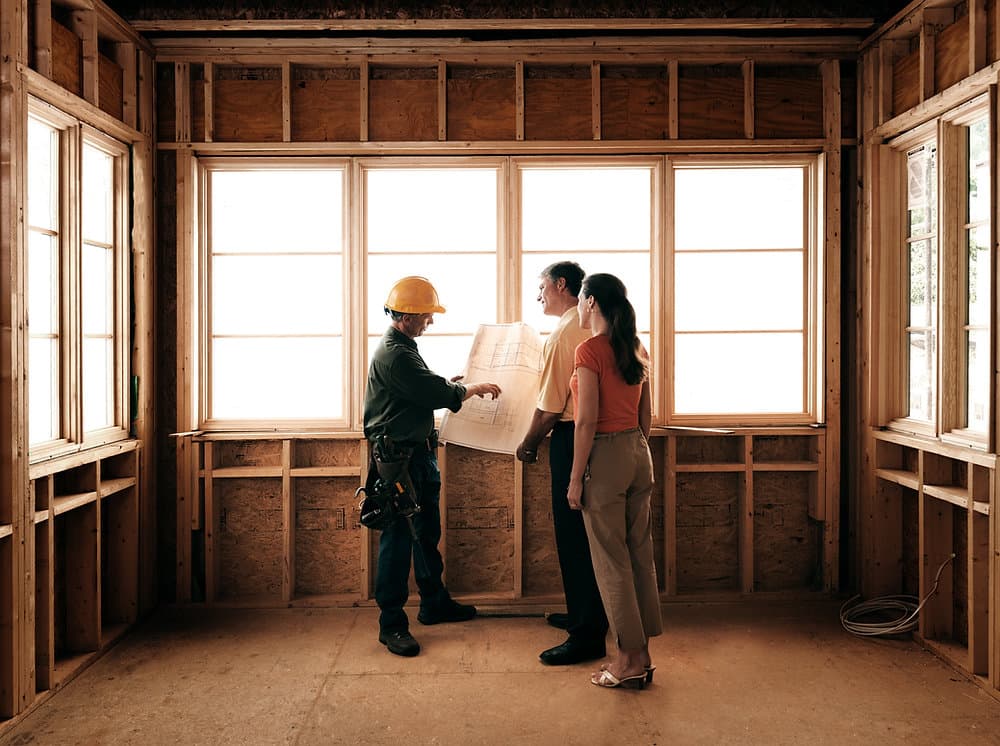
A whole downstairs, a primary suite plus the rooms that touch it, a kitchen and dining and living all of a piece — a Greek Revival in Hudson opened back up after a bad nineties remodel, or the main floor of a Capital Region farmhouse. These ask the most of materiality and rhythm, because the rooms have to talk to each other. Finishes carry the work at this scale. At Curio, multi-room engagements scope into Full Service — custom-quoted to the rooms in play — with furnishings and construction budgeted separately.
Full-home design
An entire residence — every room, every finish, every fixture, every piece of furniture, lighting, art placement. A Loudonville full home, a Catskills weekend property taken from foundation to art-hanging, a Hudson Valley primary residence meant to hold a family for twenty years. Full-home work is where Curio does its most rooted thinking, because every decision belongs to a larger conversation about how the home breathes. Curio Full Service is priced to the residence itself — the design fee scales with the scope of the home and is set in the written proposal; total spend on a full home — fees plus furnishings, construction separate — varies meaningfully with the size of the house and the level of customization.
New construction (interiors-from-the-studs)
Working with an architect and a builder from early design through final placement — material specification, finish package, millwork direction, lighting layout, furniture and art. A modern Adirondack build outside Lake Placid, a from-the-studs farmhouse in the Catskills, a Capital Region new build. Our longest engagements. Curio Full Service — custom-scoped to the build — is the engagement tier for this work; total project spend depends on the size of the home, the level of millwork and custom fabrication, and the build timeline — typically across two to three years.
Regional variation across Upstate New York
The Upstate is not one region. The Hudson Valley moves at a different pace than the Adirondacks. The Capital Region carries an architectural seriousness — Federal, Greek Revival, Troy brownstone — that the Catskills' farmhouses and A-frames do not. The Berkshires sit just over the line and operate on a different rhythm again.
Design fees do not vary much from region to region — the work is the work. What varies is the furnishings spend, the construction cost (driven by the local trade market), and the drive-time component. We are based in Kerhonkson — Catskills out the door, Capital Region forty-five minutes north, Berkshires forty-five minutes east, Lake Placid a longer drive we plan for in the scope.
For NYC-based clients — Upstate design work generally runs a meaningful share below an equivalent Manhattan engagement. The savings come from overhead, not from the work. Same care, same specificity, same insistence on materiality — without the city's price floor.
What is included — and what is not
A clear proposal tells you, in writing, what the design fee covers and what is billed separately. Ours includes inside the design fee: discovery and site visits, schematic design and concept development, material and finish specification, furniture and lighting selection, vendor coordination, procurement management, installation oversight, and a documented handoff.
Not inside the design fee: the furnishings themselves (specified at trade, invoiced through the studio at cost-plus), construction labor and materials, specialty trades (cabinetmakers, upholsterers, custom metalwork — most of ours are Hudson Valley- and Capital Region-based), shipping and receiving, and travel beyond a defined radius from Kerhonkson.
Process, deliverables, and reading a proposal
Pricing is easier to evaluate when you know what arrives at each phase. A full-service Curio engagement produces — in order — a discovery brief, a concept direction with material palette pulled from Hudson Valley stone yards and regional fabric houses, a furniture plan with elevations, a documented specification package, a procurement schedule that respects Upstate lead times, and a final walk-through. Each is a real artifact, not a slide. They are what protect you when the project hits pressure — a Catskills snowstorm that delays a delivery, a Capital Region cabinetmaker's six-month queue, a material change.
Three things to check when you read the proposal. One — is the scope specific enough that you can recognize your home in it? Two — is the pricing model named and explained? Three — does the proposal name what's not included? A proposal that pretends everything is covered will surface those costs later, when you have less leverage. Honest pricing is not a sales tactic. It is a design tool.
Frequently asked questions about interior design cost
How much does it cost to hire an interior designer in Upstate New York?
Curio's pricing is transparent. Procurement engagements — single-room redesigns, focused renovations, a furnishings-only scope — are custom-scoped, with the design fee set in the written proposal. Full Service residential projects — full-floor renovations, full homes, new construction interiors — are custom-scoped the same way, with furnishings, construction, and specialty trades budgeted separately. Every number is scoped to the specific home; the proposal names what is and is not included before any work begins.
What is the difference between hourly, flat-fee, cost-plus, and percentage pricing?
Hourly bills by time worked — most transparent on paper, hardest to scope. Flat fee quotes a single design-fee number for a defined scope — our preferred model for full-service work because it removes the meter. Cost-plus charges trade cost on furnishings plus a transparent procurement percentage — common in higher-end residential. Percentage-of-budget ties the fee to total project cost — useful on large new-construction projects with a clear scope document.
How much should I budget for furnishings on a full-home project?
Furnishings spend on a full home varies widely — from a focused renovation reusing existing pieces, to a full home sourced new through the studio's trade network. Curio invoices furnishings at trade cost-plus, so the total scales with the scope and the specificity of what you choose. Upstate lead times can stretch longer than city projects — regional craftspeople and small-batch vendors are part of what makes the work feel rooted, and they work at their own pace. The proposal names the expected furnishings budget for your home before any sourcing begins.
Is interior design more expensive in the Catskills than the Capital Region?
Design fees are similar across Upstate regions; the work is the work. Furnishings and construction costs vary more — the Capital Region has a deeper trade network, the Catskills carry a weekend-house premium on some materials and labor, the Berkshires sit between. The bigger cost driver is the home itself: scale, architectural complexity, and the specificity it asks for.
Do interior designers charge for a consultation?
Most do. At Curio, the first conversation is free — a discovery call to understand your home, your timing, and whether we are the right studio for the project. After that, paid design work begins with a written proposal and a documented scope. Free discovery is not free design.
How long does a full-service interior design project take?
A full home in the Hudson Valley or Catskills, working from a finished shell, takes nine to eighteen months from kickoff to final installation. A single-room redesign in an Albany townhouse can be finished in two to four months. New-construction interiors outside Lake Placid or in the Capital Region run alongside the build itself, often two to three years. Faster is rarely a kindness. Materials. Vendors. The home itself. Each needs time.
What is included in a designer's flat fee?
At Curio, the design fee covers discovery, concept and schematic design, material and finish specification, furniture and lighting selection, vendor coordination, procurement management, installation oversight, and final handoff. Furnishings themselves, construction labor, specialty trades, shipping, and travel beyond a defined radius are billed separately.
Do you work with my architect and contractor?
Yes — almost always. The work goes deepest when the designer, the architect, and the contractor are aligned from early design through installation. We attend site meetings, weigh in on construction decisions that affect the interior, and protect the design intent through the build. Bring us in early. Early is where the design has the most leverage.
What is a designer's markup on furnishings?
Industry markups vary widely — from modest single-digit percentages on trade-sourced pieces to substantial markups on retail items, with many studios passing through at cost-plus. We disclose our markup or cost-plus structure in every proposal. A designer who will not tell you how they price furnishings is one you should not hire.
Can I afford an interior designer for just one room?
Yes. Single-room engagements — design direction, a paint palette and furniture plan, a kitchen finish package — are useful work, and a good way to begin a relationship with a studio. Many of our full-home clients started with a single room. Begin where you are.
How do I know if a designer's pricing is fair?
By the specificity of the proposal, not by the number on it. A fair proposal names the scope precisely, names the pricing model honestly, names what is and is not included, and reads like a document written for your home in particular. If you can swap in someone else's name and address and it still makes sense — that is a template, not a plan.
Continue reading by region
The way pricing lands depends on where the home is. Three places we work closely, each with its own conversation.
Interior design in the Catskills — A-frames, farmhouses, and the design conversation past shiplap and the imported-cabin look.
Interior design in the Capital Region — Troy brownstones, Albany townhouses, and the quiet renovation of a region that deserves more attention.
Interior design in Lake Placid — modern Adirondack homes that earn their setting rather than imitate it.
A closing thought on money and design
We talk about cost openly because design is not magic. It is hours, attention, materials, and the long patience of getting a home right — a Kerhonkson studio driving out to Phoenicia, Saugerties, Hudson, Troy, Loudonville, Lake Placid on the work each project asks for. When the pricing is honest, the design can be honest.
If you are ready to talk about your home — not the abstract price of one, but the specific shape of yours — begin with a discovery call. We will tell you what your project is likely to cost, in writing, before either side is committed.

From the Studio
Savannah Dodge
Savannah Dodge is the Chief Executive Officer and Principal Designer of Curio Studio. She earned her BFA in Interior Design from the New England School of Art & Design at Suffolk University and brings over a decade of experience designing thoughtful, layered homes.
More about the studioMore from the journal
April 29, 2026
What to Know Before Hiring an Interior Designer in the Hudson Valley
There's a particular kind of paralysis that comes with owning a home you love but can't quite figure out. You've lived i…
Read →
March 11, 2026
Why Interior Finishes Matter More Than You Think
We tend to obsess over floor plans. Open concept or traditional. Kitchen island size. Where the sofa goes. But once the…
Read →
February 19, 2026
The Meaning Behind Curio
The Philosophy Behind Curio Studio Curio. A noun defined by Merriam-Webster as “something considered novel, rare, or biz…
Read →