

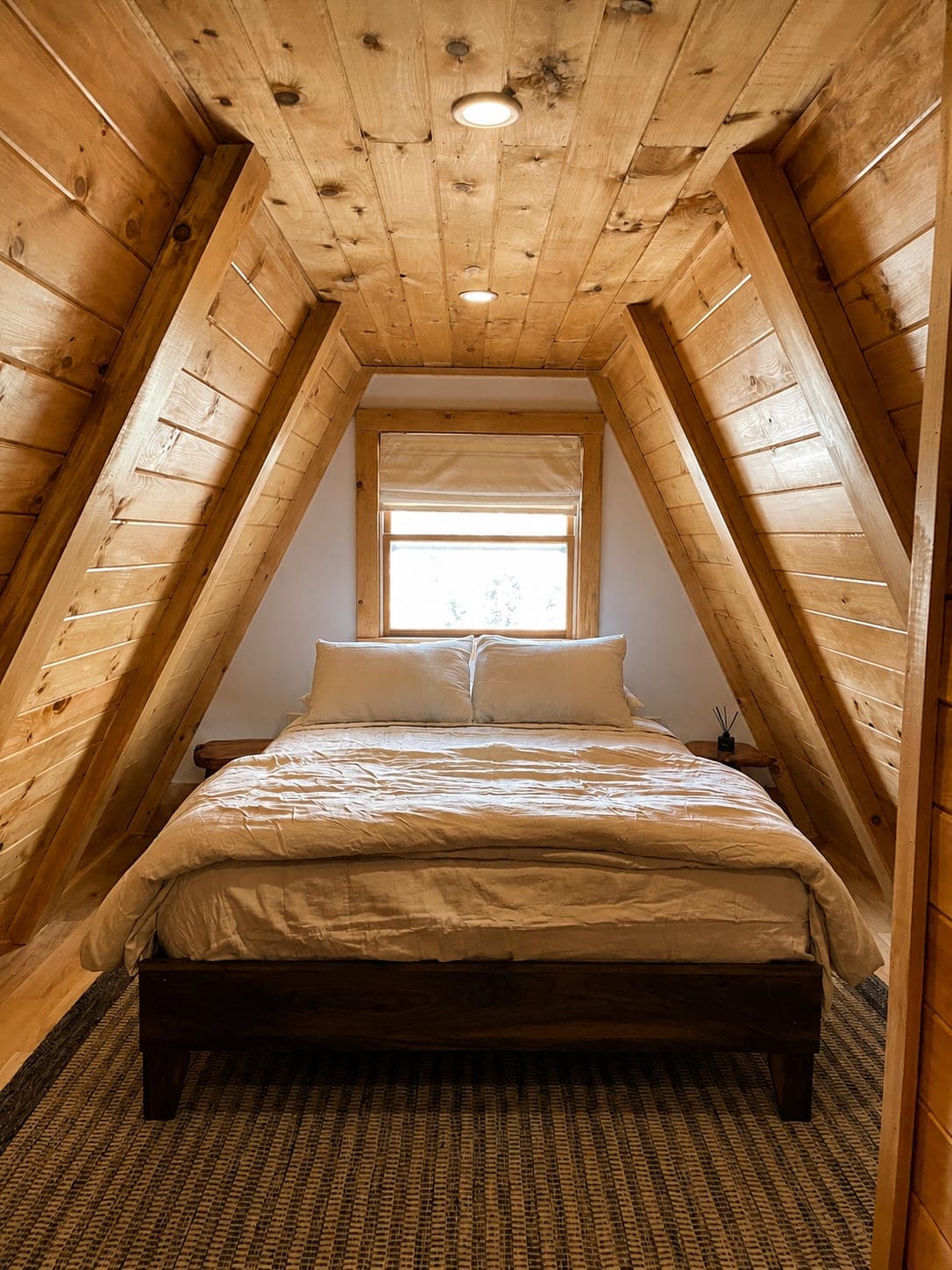
Full Service · Vermont · 2024
Vermont A-Frame
A weekend house that had been holding its breath.
View project →Interior Design in Western Massachusetts
Pioneer Valley and beyond.
Curio Studio Interiors is a full-service residential interior design studio serving Western Massachusetts, including Northampton, Amherst, and Easthampton. Based in Kerhonkson, NY (a short drive across the Berkshires), we work on colonial farmhouses, academic row houses, Hilltown rural retreats, and contemporary builds across Hampshire, Hampden, and Franklin counties, on a senior-led, full-fee retainer scaled to the home.
Western Massachusetts (the Pioneer Valley, the Hilltowns, the Connecticut River corridor) is a region with strong design instincts and a long tradition of craft. The homes here range from colonial farmsteads to contemporary builds, from academic row houses to rural retreats. What they have in common is a client base that cares about how things are made and where they come from. That aligns closely with how we work. Our regional network includes craftspeople and suppliers throughout Western Massachusetts, and our work in the Berkshires means we understand the landscape on both sides of the county line.
The light in the Connecticut River corridor is its own particular argument. Long flat mornings come up the valley through tobacco-barn shadows; afternoons hold late and generous through July and August; a January sky over the Holyoke Range turns silver and honest in a way that flatters real materials and exposes the false ones. The houses that work here are the houses that respond to that span. We design for plaster that holds a Pioneer Valley summer without going chalky in February. White oak that deepens against winter light. Wools and linens that breathe in the academic-year months and insulate through the deep cold. Materiality, here, is not a finish schedule. It is a regional ecology.
What we know about Western Mass homes is that the housing stock is unusually intellectual. The colonial farmsteads of Hadley and Hatfield carry working-agricultural bones underneath two-and-a-half centuries of small interventions. The Federals and Greek Revivals through Northampton and Amherst hold proportional logic that rewards restraint: the "professor houses" in the academic neighborhoods around Smith and Amherst College in particular, where the original casework, picture rails, and millwork were drawn for a particular kind of slow, considered domestic life. The Shaker influence that runs through the region (the actual built history of Hancock and the broader Connecticut River Shaker tradition) carries a quiet argument for craft, restraint, and honest joinery that the design conversation here too often paves over. Contemporary builds along the Hilltowns face a different question: how do you sit a current house in a landscape that has been read carefully by craftspeople for three centuries.
We work the region as a region. Northampton, Amherst, and Easthampton at the center: the academic and creative corridor, where the client conversation is often about provenance, longevity, and materiality before it is about style. South Hadley, Hadley, and Belchertown across the river. Williamsburg, Shelburne Falls, and Florence into the Hilltowns and Franklin County, where the projects open up into farmhouse and rural-retreat work. Greenfield to the north. The Berkshires are across the county line, and the cross-border conversation with our Berkshire work is one continuous regional ecology, not two disconnected practices. We cover Hampshire, Hampden, and Franklin counties as the region is actually lived in.
Our trade network reaches Western Mass through the same craft-first relationships we hold across the Berkshires and Hudson Valley, and through the region's own deep bench of craftspeople. The millworkers in the Connecticut River valley who source from regional forests and will redraw a Federal casing detail with you over coffee. The plaster crews who know how a 19th-century academic-row wall actually behaves under lime wash. The masons who read Pelham granite and Connecticut River brownstone from out-of-state lookalikes. The textile and natural-fiber suppliers, the reclaimed-timber yards, the small-batch ceramicists. Western Mass is one of the few regions where the provenance conversation is genuinely real rather than a brand position. Sourcing locally here is not a marketing posture. It is how the work has always been done.
Projects in Western Massachusetts include homes across Hampshire, Hampden, and Franklin counties.
How a project unfolds
Kerhonkson to Northampton is roughly two hours each way across the Berkshires, Amherst and Easthampton inside two and a half, Shelburne Falls and the Hilltowns closer to three. We plan site visits with intention, often combined with Berkshires work on the same trip. The scope that makes sense here is broader than a single room: full renovations of historic stock, whole-home design, Hilltown farmhouse and rural-retreat projects, and new construction interiors where the materials conversation earns the depth. The houses tend to ask for the whole conversation, not a corner of it.
Every project begins with a slow walk through the house in the light it actually lives in: a Northampton kitchen at six in the morning, an Amherst bedroom at dusk, a Hilltown front hall in a February storm. We meet the architect and contractor early. The Western Mass conversation almost always turns toward provenance and longevity in the first hour, which is its own kind of gift: clients here usually want to know where the timber comes from, how the plaster was mixed, who drew the casework. Specifications layer in: envelope, structure, materiality, light, and then the moveable life of the rooms. The pace is the work.
A Federal in Northampton near Smith, brought back to its proportions: original plaster restored rather than replaced, lime-washed walls, casework redrawn from physical evidence, a quiet kitchen built behind the historic envelope. A Hilltown farmhouse outside Williamsburg, rethought as a year-round home for a faculty family: new envelope, locally-milled white oak floors, a single staircase that finally honored the bones of the house, materials sourced almost entirely from inside the region. Both took longer than the clients first imagined. Both came out, in their words, like the house they had always meant to be.
Common questions
Curio prices its Western Mass work the same way it prices everywhere else: transparently, scoped to the home. Full Service is custom-scoped: the design fee is set in the written proposal once we understand the home and the work it asks for, with furnishings, construction, and specialty trades budgeted separately. For industry context, the ASID 2024 Compensation & Benefits Report (https://www.asid.org/resources/research) places median residential designer billing at $150 per hour nationally. Western Mass work tracks at or slightly above that, because the historic Federal and academic-row stock carries real plaster and millwork coordination weight, and the provenance-first client conversation asks for genuine sourcing time. We price in writing, in a defined scope, before any work begins.
A full interior renovation in Western Mass typically runs nine to eighteen months from first conversation to install, sometimes longer for a Federal or a colonial farmstead that needs structural and trade coordination. Hilltown projects with locally-milled timber and small-batch material sourcing run on their own rhythm, and we plan procurement against actual lead times rather than aspirational ones. New construction interiors are usually a longer arc, twelve to twenty-four months, because we engage at design development and stay through punch list. We are honest about timing from the first call.
Yes, and we prefer it. The strongest Western Mass projects come out of a real conversation between architect, builder, plaster crew, and designer from the earliest sketch. We coordinate early, share drawings openly, and work to keep the design intent intact through the build. If you do not yet have an architect or contractor, we can point you toward regional partners we trust, including across the state line into the Berkshires.
Mostly primary residences in Western Mass. The academic and creative client base that anchors the region tends to live in the house full-time and ask the design to carry the whole rhythm of a year. Rural-retreat and second-home work shows up more in the Hilltowns and toward the Berkshire county line. The architectural respect is the same. The textile and storage logic shifts. We design for how the house is actually lived in, not the brochure version.
There is no single Western Mass style. The houses that age well respond to the specifics of the site: the orientation, the light, the architectural bones, the regional ecology of materials. A Federal near Smith wants a vocabulary that respects its proportions. A Hilltown farmhouse wants honest joinery and locally-milled timber. A contemporary build along the Connecticut River wants restraint and real materials. The work is to find what the particular house wants to become, in this particular landscape, with these particular materials, not to apply a regional costume.
The first hour of the conversation is usually different. Clients moving into the Pioneer Valley from Boston or NY tend to arrive already thinking about provenance, longevity, and materiality (where the timber comes from, how the plaster is mixed, who drew the casework) rather than starting with style. That aligns closely with how we work, and it tends to shape the project from the first walk-through. The houses themselves are different too. An academic-row Federal in Northampton or Amherst carries proportional logic and original casework that rewards restraint, and the regional trade network can actually source from inside the ecology rather than across the country. We design into that.
Both. The Connecticut River corridor (Northampton, Amherst, Easthampton, South Hadley, Hadley) is the densest part of the practice in Western Mass, because the historic stock concentrates there. The Hilltowns west of the valley (Williamsburg, Shelburne Falls, and the smaller towns toward the Berkshire county line) open up the work into farmhouse, rural-retreat, and Hilltown contemporary projects, often with locally-milled materials and small-batch craft sourcing. The drive from Kerhonkson is comparable for both. The design conversation shifts. The regional ecology is one continuous one.
How We Work
You're not managing this — we are. From first concept to final installation: every vendor conversation, every site visit, every decision that needs making. You show up for the moments that matter. We carry the rest.
The full design plan, in your hands — every finish, every fixture, every spec, drawn clearly enough that your contractor can build it without us in the room. You handle the ordering. We handle the thinking.
Our Work
Full Service · Vermont · 2024
A weekend house that had been holding its breath.
View project →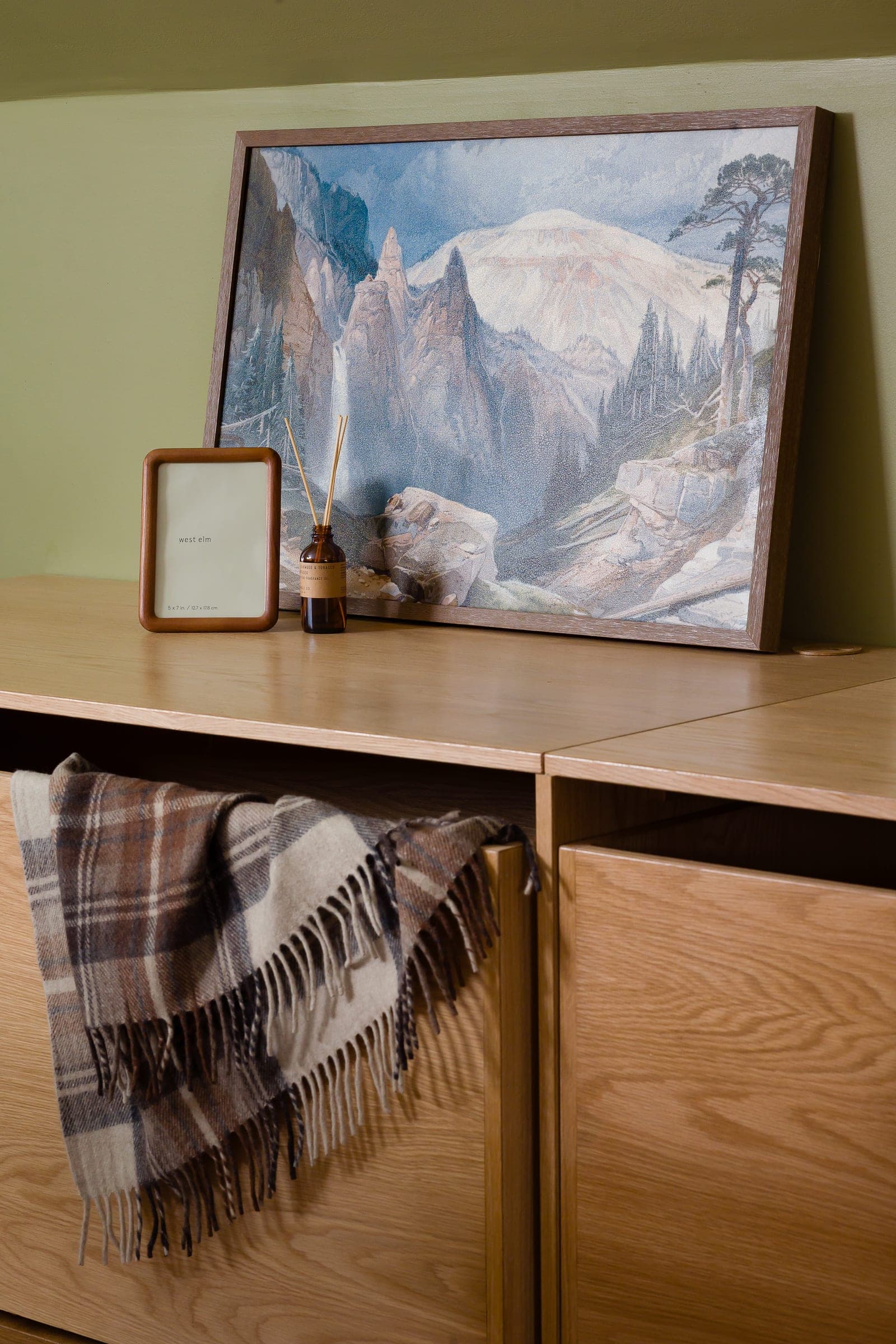
Full Service · Berkshires, NY · 2024
A room that finally understood what children actually need.
View project →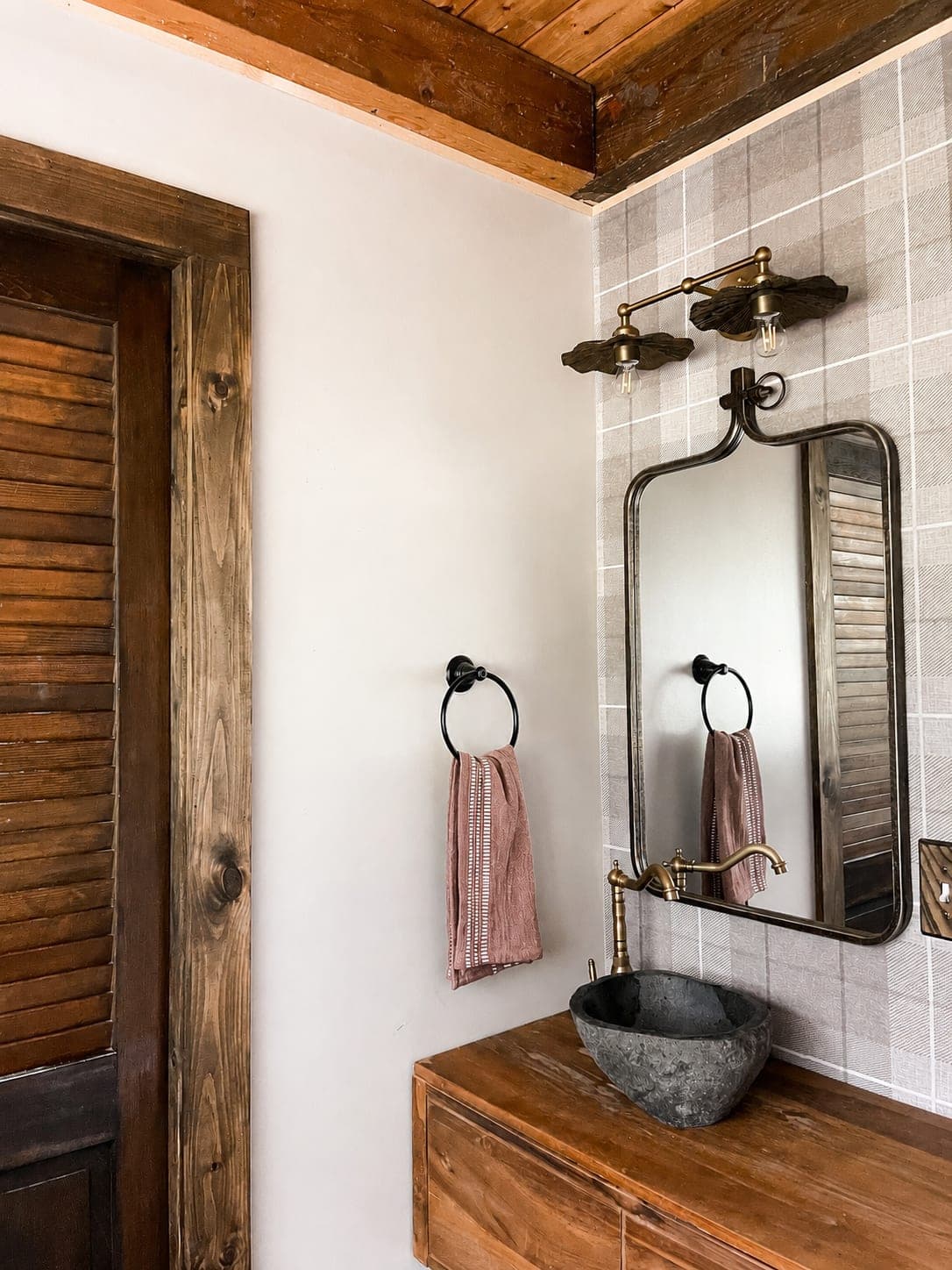
Full Service · Berkshires, MA · 2023
Small square footage. Very large personality.
View project →Meet your designer
Western Mass is across the Berkshires from Savannah's home territory: one continuous regional ecology, not two disconnected practices. The Pioneer Valley clients tend to arrive already thinking about provenance, longevity, and materiality, which is its own kind of gift. The work she does here is rooted in that.
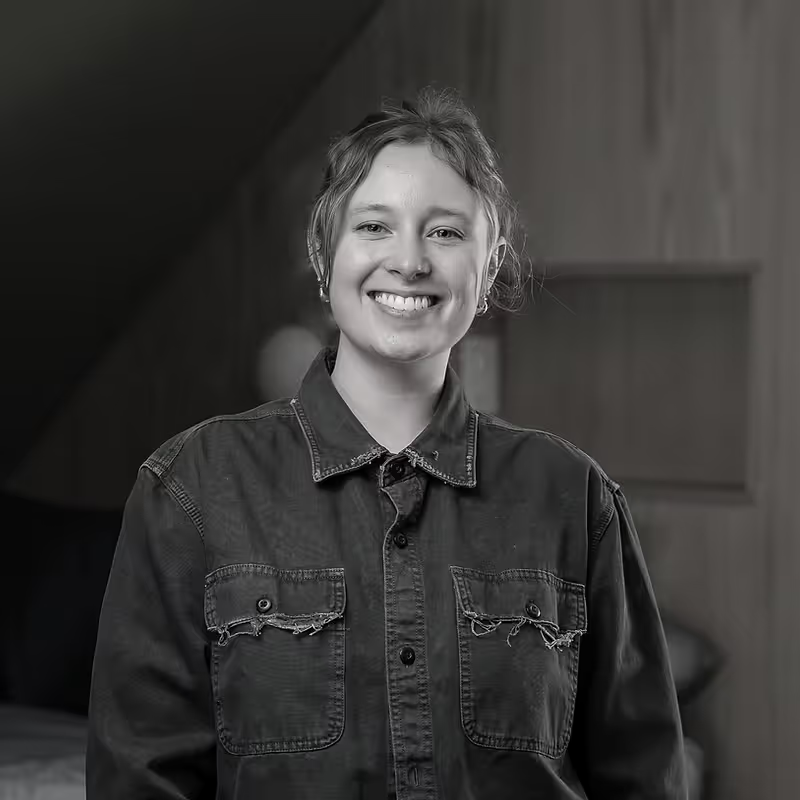
CEO & Principal Designer
Savannah Dodge is the Chief Executive Officer and Principal Designer of Curio Studio. She earned her BFA in Interior Design from the New England School of Art & Design at Suffolk University and brings over a decade of experience designing thoughtful, layered homes. Her work spans full-service residential projects, renovations, investment properties, and country homes throughout the Hudson Valley and New England. Originally from the Berkshires, Savannah maintains a deep connection to the cultural and natural landscape of the Northeast, along with a strong regional network of architects, craftspeople, and trades. She leads every stage of the design process, from initial concept and construction documentation to FF&E selection, procurement, and final installation.
At the heart of Savannah's work is the belief that great design restores the relationship between people, place, and planet. She approaches each project as a living ecosystem, considering how architecture, interiors, and landscape work together to shape the experience of home. Drawing on color theory, restoration, and principles of human ecology, she creates spaces that transform the energy of a home to support the people who live within it. For Savannah, sustainability is not a trend or aesthetic but a foundation for thoughtful, enduring design that allows a home to feel both deeply personal and connected to its surroundings.
Free download
A free guide: the eight questions worth asking, and what each answer tells you. Enter your email and we'll send it over.
Also serving
Rooted in the landscape. Designed for how you live here.
Where the landscape sets the brief.
Historic character. Contemporary living.
The mountains, designed with intention.
Albany, Troy, Schenectady: designed for real life.
Mountain homes that earn their setting.
Vermont, Connecticut, Rhode Island, Maine: we travel for the right project.
Working on something in Western Massachusetts?